Final Overview: FakeDetective
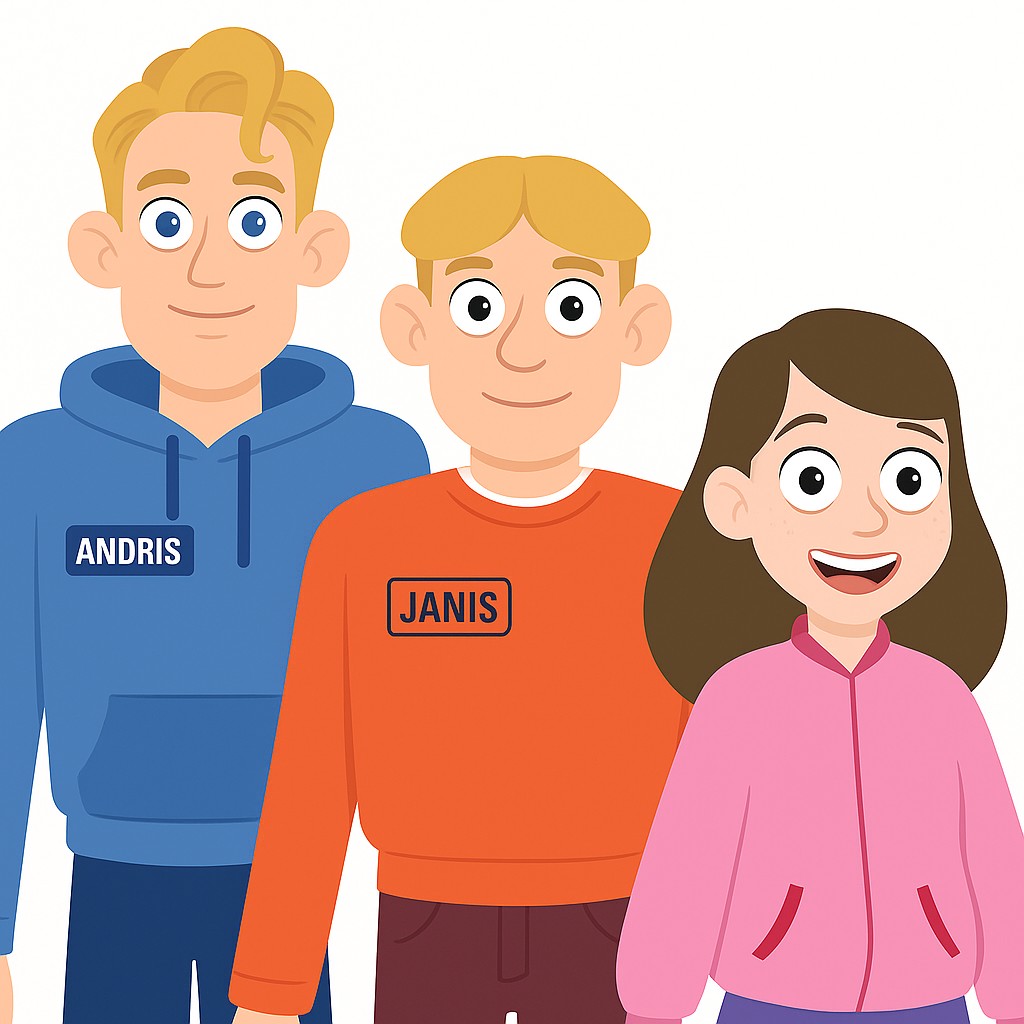
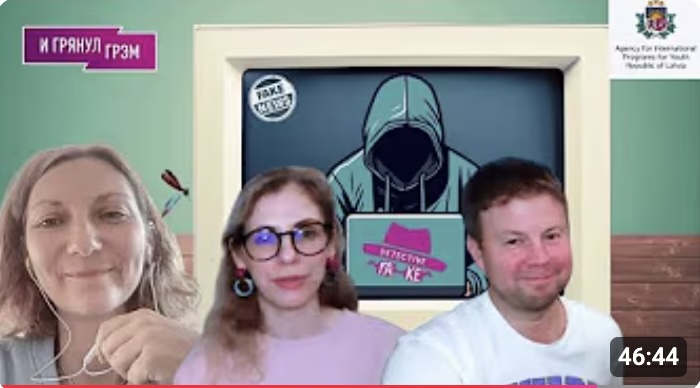
On the I Gryanul Grem channel, a final podcast was released featuring the participants of the FakeDetective project. Throughout the project, we discussed critical thinking and how young people perceive information, and in this episode we sum up the results together with our colleagues Kristina Castronovo, Ekaterina Konakova, and Dmitri Fedotkin.
This video is the final episode of the FakeDetective project, summarizing the key findings, experiences, and insights gained throughout the project’s activities in Latvia and Estonia.
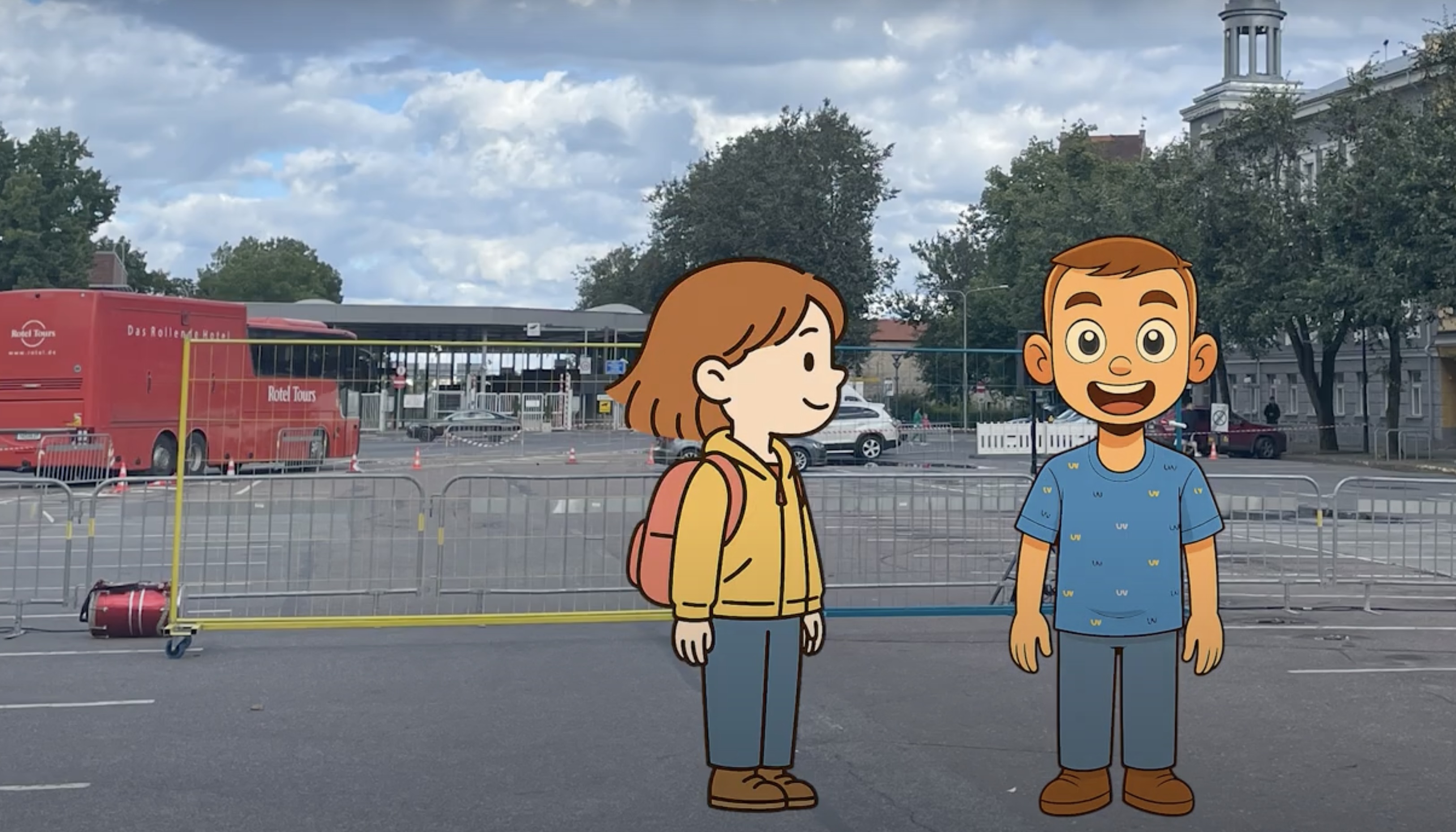
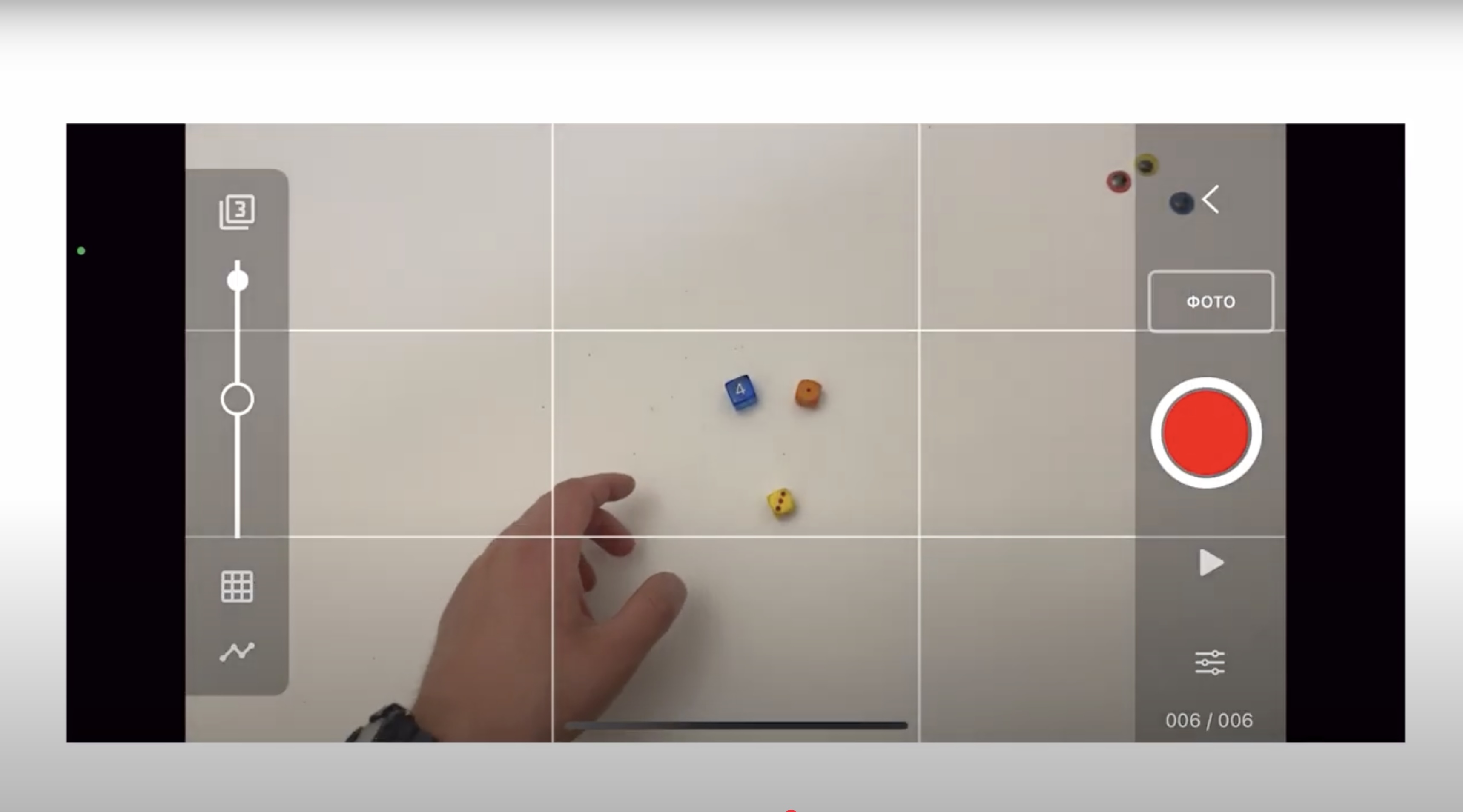
Project partners, coordinators, and facilitators reflect on the survey results, workshops with young people, expert interviews, and the creation of animated films. The discussion highlights important differences in how young people and youth workers perceive fake news, what types of misinformation are most visible to them, and which topics are often overlooked or considered taboo.
Special attention is given to the role of informal education, animation, and discussion-based activities in helping young people recognize misinformation, reflect on their own media habits, and openly talk about personal experiences related to fake news, scams, propaganda, and artificial intelligence. The video also addresses challenges such as emotional reactions, information overload, trust, and the difficulty of admitting vulnerability to manipulation.
The episode emphasizes that critical thinking is a long-term process, requiring dialogue, empathy, and practical tools rather than simple rules or censorship. It also outlines possible directions for future work, including deeper engagement with topics such as AI-generated content, social media influence, and youth participation in content creation.
This video is especially useful for teachers, youth workers, and educators as a reflection tool and a starting point for discussions on media literacy, critical thinking, and responsible information sharing, and it is also valuable for young people interested in understanding how misinformation affects everyday life.
Co-funded by the European Union. Views and opinions expressed are however those of the author(s) only and do not necessarily reflect those of the European Union, European Commission or The National Agency (Agency for International Programs for Youth). Neither European Union nor the granting authoiry can be held responsible for them.