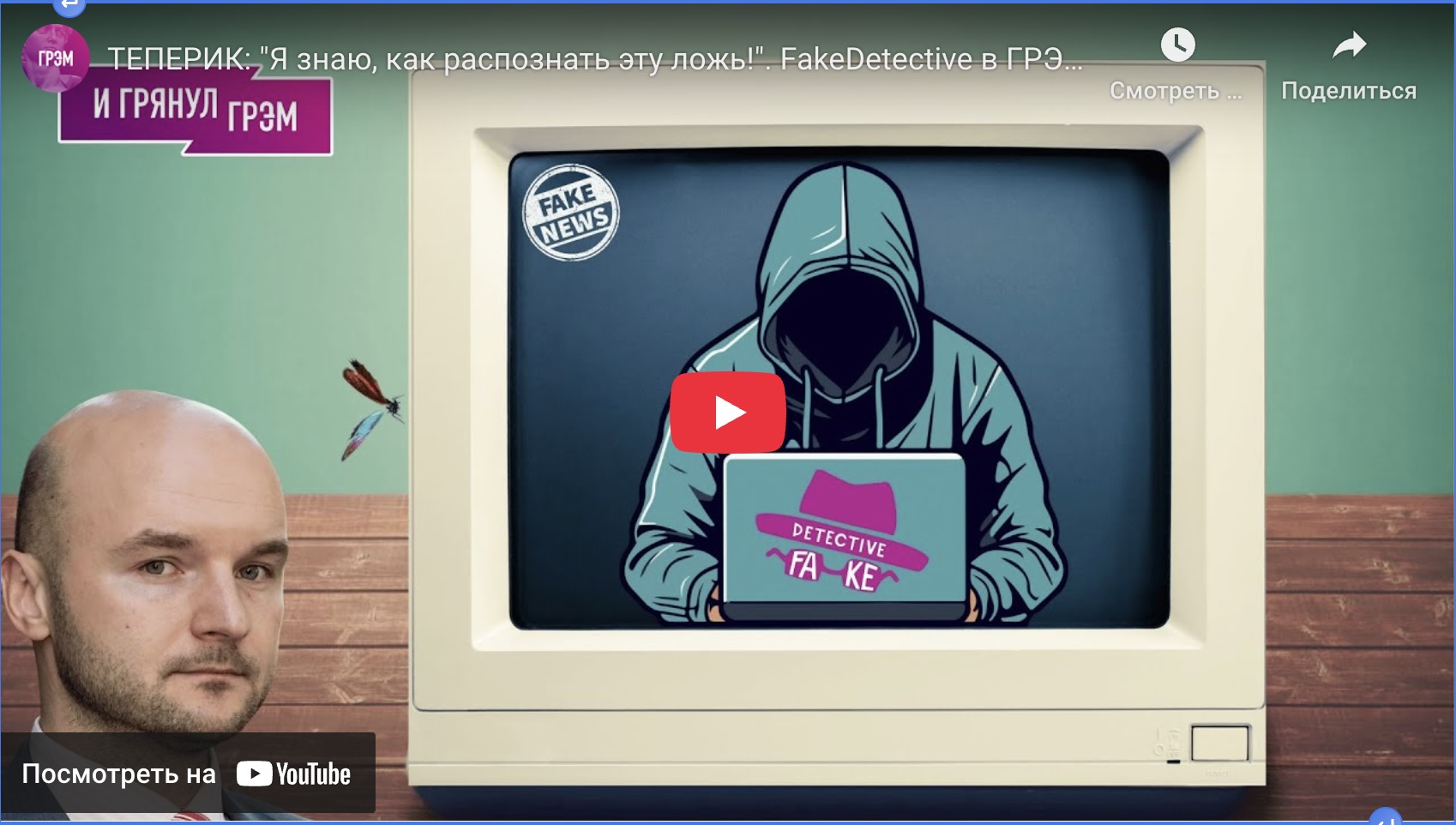
FakeDetective. Part 2 — Dmitri Teperik: "I know how to recognize this lie!"
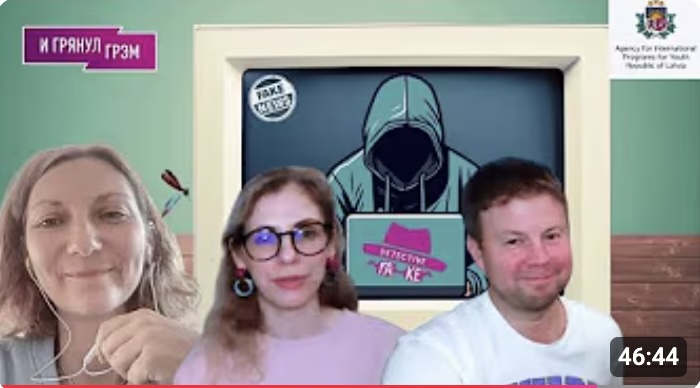
In this episode of FakeDetective, Dmitry Teperik, Head of the Information and Security Center in Estonia, discusses how misinformation and disinformation function in today’s digital environment and why there is no single clear definition of what a “fake” is. The conversation explores different types of false and misleading information, including outright lies, half-truths, manipulation based on real facts, and content created to influence opinions or provoke action. Dmitry explains how information bubbles, trust, and emotions affect the way people perceive information, and why attempts to simply censor or block content are often ineffective. Special attention is given to critical thinking as a long-term solution, the importance of education, and the need to create safe spaces for dialogue between people with different views. The video also addresses which groups are most vulnerable to manipulation, how social media algorithms amplify risks, and why learning to pause, reflect, and question information is essential. This video is suitable for teachers and youth workers to use in lessons, discussions, and workshops on media literacy, critical thinking, and information security, and is also useful for young people who want to better understand how manipulation works and how to navigate the modern information space responsibly.
Co-funded by the European Union. Views and opinions expressed are however those of the author(s) only and do not necessarily reflect those of the European Union, European Commission or The National Agency (Agency for International Programs for Youth). Neither European Union nor the granting authoiry can be held responsible for them.